I’m in my mid-thirties, an educator deeply committed to children, and a mother of two. My husband and I were divorced for a year or less before, after time apart, finding our way back to one another. We now live together again, parenting a son about to graduate high school and a teenage daughter. From the outside, my life looks familiar to many families navigating transition.
What’s less visible is the trauma I survived as a child.
My early years were marked by fear. My first stepfather was physically abusive, and I learned how to disappear—running to neighbors’ houses, hiding in trees, anywhere I could feel out of reach. Fear wasn’t occasional; it was constant.
After my mother remarried, the danger didn’t end. My stepfather’s sons sexually abused me repeatedly throughout childhood. I carried that reality alone for years, holding secrets no child should have to hold.
The abuse was exposed when I was eleven. I had invited friends to a sleepover, then uninvited them out of fear. When they asked why, I told them the truth—that I was afraid my stepbrothers would touch them. They told a school guidance counselor, and everything changed. The boys were removed from the home. The abuse stopped—but the impact stayed.
Like many survivors, I learned to block out much of what had happened. That dissociation helped me survive, grow up, and build a life. But it also meant that large parts of my past—good and bad—were inaccessible.
Years later, I began EMDR therapy. Slowly and carefully, I worked through the memories my nervous system had been holding onto for decades. Eventually, I reached one of the most difficult targets: the day the abuse was revealed.
At first, what stood out most wasn’t my own pain—it was the belief that my truth had hurt others. I carried the weight of that belief quietly for years.
As I continued reprocessing, something unexpected emerged. In blocking out the trauma for so long, I had also blocked out the good.
I began to remember my grandmother—the safety I felt with her, her warmth, her fierce protectiveness, the sense of being cared for without fear. Those memories had been buried alongside the trauma, not because they were insignificant, but because my system had learned to shut down access to the past altogether.
Healing, I’ve learned, isn’t only about processing what hurt.
It’s also about reclaiming what helped.
As the traumatic memories lost their intensity, space opened for tenderness, connection, and a fuller understanding of my own story. I’m still healing. I’m still navigating relationships and parenting. But I’m no longer defined solely by what happened to me.
I’m also defined by what sustained me.
And that, too, is healing.
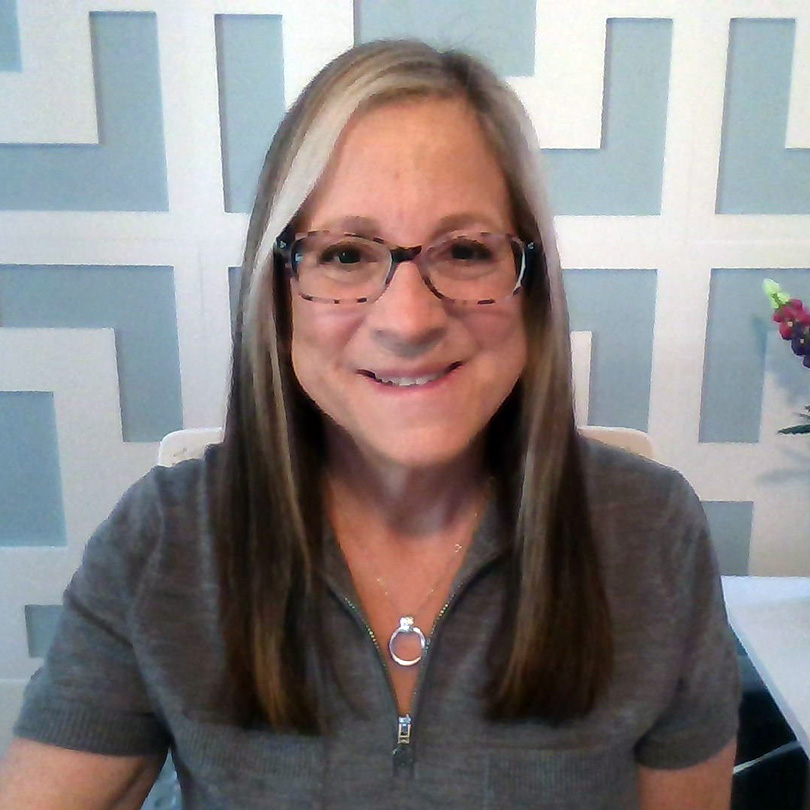
Dr. Josephine G. Moss, PsyD, MS in an EMDR therapist based in Jacksonville, Florida providing online EMDR therapy to adults throughout the state.
Ready to Begin Your Healing Journey?
In EMDR, reprocessing is like watching the landscape from a train — noticing what arises while remaining grounded and slightly removed from it.
Schedule a consultation to explore whether EMDR therapy is the right next step for you.